
How Has the BMW 7 Series Engine Evolved Across Different Generations?
The BMW 7 Series has stood as the flagship luxury sedan of the brand for decades, combining innovative technology, premium comfort, and cutting-edge performance. A major aspect of its success lies in the continuous evolution of the BMW engine, adapting to customer demands, stricter regulations, and advancements in automotive engineering. From naturally aspirated six-cylinders to V12 powerhouses and hybrid-assisted turbocharged units, the 7 Series has witnessed significant transformations across its generations. Understanding this evolution provides not only insight into luxury car progression but also highlights the value of reconditioned engines for maintaining these prestigious vehicles. We will explore how the BMW 7 Series engine has evolved over different generations, focusing on technological advancements, performance upgrades, and the impact on today’s reconditioned engine market.
The Foundation: Early Generations (E23) and the Introduction of Six-Cylinder Engines
The first BMW 7 Series, launched in 1977 under the E23 platform, laid the foundation for the brand’s flagship sedan. It was equipped primarily with inline-six engines, a hallmark of BMW’s engineering at the time. The engines were naturally aspirated and designed for smoothness, efficiency, and refinement. Ranging from 2.5L to 3.5L, these powerplants emphasized balance and reliability while introducing technologies such as fuel injection, which was advanced for the late 1970s. Compared to rivals, BMW placed a strong emphasis on blending performance with comfort, making the E23 stand out in its class. Though modest by today’s standards, these engines were crucial in shaping the brand’s reputation. For owners today, reconditioned engines from this generation are rare but highly valued among collectors who seek to preserve the authenticity of their classic luxury sedans.
Expanding Power and Refinement: The E32 Generation
The second-generation BMW 7 Series, the E32 (1986–1994), marked a significant leap in both design and engine options. This was the era when BMW introduced the V12 engine in the 7 Series for the first time, specifically the 5.0L M70 V12, which became a symbol of luxury and engineering prowess. The V12 represented ultimate smoothness and performance, putting BMW in direct competition with Mercedes-Benz in the luxury segment. Alongside the V12, inline-six engines continued to evolve, offering higher efficiency and improved refinement. The E32’s powertrain lineup reflected BMW’s growing ambition to dominate the luxury car market. For modern enthusiasts, sourcing a BMW engine from this generation often means turning to reconditioned engines as original parts become increasingly rare. These rebuilt engines extend the life of classic models, allowing them to continue showcasing BMW’s engineering excellence.
Performance Meets Efficiency: The E38 Generation
The third generation, known as the E38 (1994–2001), continued the evolution of the BMW 7 Series engine lineup. This era brought a balance between power, performance, and efficiency. Engine options expanded to include refined inline-sixes, V8s, and an updated version of the V12. The V8 engines in particular were praised for delivering powerful acceleration while maintaining a smooth driving experience. The introduction of advanced electronics also allowed for better engine management, leading to enhanced fuel efficiency and lower emissions compared to its predecessors. The E38 also became famous through pop culture, featuring in films like James Bond’s Tomorrow Never Dies. Today, reconditioned engines from the E38 remain in demand as enthusiasts and collectors restore these luxury icons. Owners often seek reconditioned V8 or V12 units to enjoy both performance and reliability in their preserved 7 Series sedans.
Modernization and the Birth of New Technology: The E65/E66 Era
The fourth generation (2001–2008), known as the E65/E66, was a revolutionary model for BMW. Not only did it introduce radical design changes, but it also brought major updates to its BMW engine lineup. This generation featured advanced V8 and V12 engines with technologies such as Valvetronic (variable valve lift) and direct fuel injection. These innovations aimed to improve efficiency, performance, and emissions. The 760i, with its 6.0L V12, stood out as one of the most powerful luxury sedans of its time. Meanwhile, the V8 engines benefited from lightweight construction and electronic management systems that enhanced driving dynamics. For the modern market, reconditioned engines from this generation are highly sought after, as the complexity of the powertrains makes professional rebuilding essential. These engines, when reconditioned properly, allow owners to experience BMW’s blend of performance and luxury without the cost of brand-new replacements.
Efficiency and Turbocharging: The F01/F02 Generation
Launched in 2008, the F01/F02 generation marked a shift in BMW’s engine philosophy. With growing environmental regulations and customer demand for efficiency, BMW introduced turbocharging and downsizing to the 7 Series engine lineup. Inline-six turbocharged engines replaced some of the naturally aspirated options, providing more torque and better fuel economy. Twin-turbocharged V8 engines delivered impressive performance while reducing emissions, and the V12 returned with improved refinement. Additionally, BMW introduced hybrid technology with the ActiveHybrid 7, marking the brand’s first steps into electrification. These engines represented a turning point, balancing efficiency and luxury in new ways. Today, reconditioned engines from this era provide a cost-effective option for owners seeking to restore performance while keeping their maintenance budget under control. The availability of turbocharged reconditioned units ensures longevity for vehicles that still command respect on the road.
Intelligent Efficiency and Electrification: The G11/G12 Generation
Introduced in 2015, the G11/G12 generation brought even more sophisticated technology to the BMW 7 Series. The focus shifted toward lightweight construction, improved fuel efficiency, and electrification. Engines in this generation included highly efficient turbocharged inline-sixes, V8s, and the flagship V12, all paired with advanced eight-speed automatic transmissions. BMW also expanded hybrid offerings, with the 740e iPerformance plug-in hybrid combining a turbocharged four-cylinder BMW engine with an electric motor. Technologies like BMW’s TwinPower Turbo and precision injection systems maximized performance while reducing fuel consumption. For today’s owners, reconditioned engines from this generation are becoming increasingly relevant as vehicles age. Rebuilt units ensure the longevity of complex turbocharged systems, offering a more affordable way to maintain the luxury and performance expected from a flagship BMW.
The Latest Generation (G70): Hybrid Dominance and the Future of BMW Engines
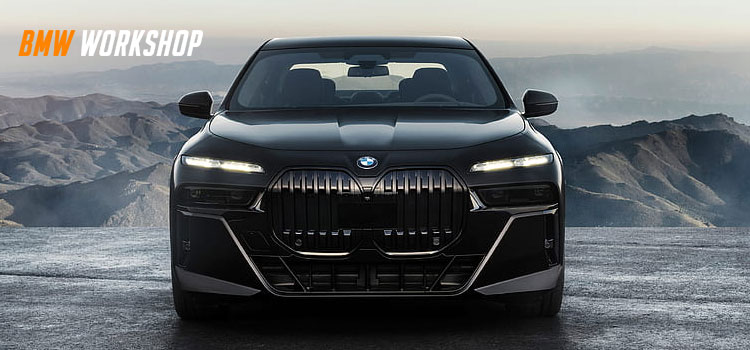
The newest generation, the G70 (2022–present), represents a dramatic shift toward electrification and sustainability. While traditional BMW engines remain available — such as turbocharged inline-six and V8 units with mild-hybrid technology — BMW is clearly steering toward plug-in hybrids and full electric options. The M760e, for example, combines a six-cylinder engine with a powerful electric motor, delivering both performance and efficiency. The fully electric i7 model further demonstrates BMW’s commitment to transitioning from combustion engines to electrified powertrains. These advancements show how the brand is adapting to future mobility trends while maintaining the luxury and driving experience associated with the 7 Series. For the reconditioned engines market, this generation presents new challenges and opportunities, as rebuilding hybrid systems and electrified powertrains will require advanced technical expertise.
The Role of Reconditioned Engines in Preserving BMW 7 Series Legacy
As the BMW 7 Series continues to evolve, the importance of reconditioned engines grows for enthusiasts and owners. With each generation introducing more complex technologies, the cost of brand-new engines can be prohibitive. Reconditioning offers a practical solution, restoring original performance and extending vehicle life at a fraction of the cost. Whether it’s an E32 V12, an F01 turbocharged V8, or a G11 hybrid powertrain, professionally rebuilt engines ensure these luxury sedans remain roadworthy and enjoyable. Reconditioned engines also play a role in sustainability, reducing waste and promoting the reuse of valuable components. For BMW owners, the option of choosing a reconditioned BMW engine provides both financial savings and peace of mind, ensuring the 7 Series legacy lives on for future generations.